۵ آبان ۱۴۰۵ ۱۲:۲۹ ب.ظ


خبرنامه بینالملل | شماره سه
سنگاپور؛ ژئوپلیتیک و تحریمها در کانون مباحث داوری بینالمللی

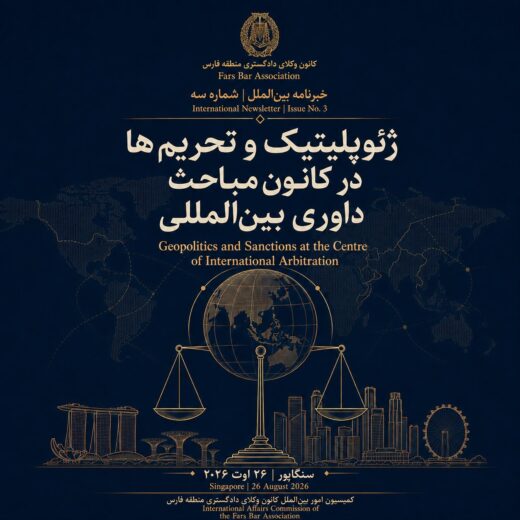
سمپزیوم گروه داوری آسیا و اقیانوسیه کانون بینالمللی وکلا (IBA Asia Pacific Arbitration Group Symposium) در ۲۶ اوت ۲۰۲۶ با عنوان «داوری بینالمللی؛ ژئوپلیتیک، مصونیت دولتها و مسیرهای جدید حلوفصل اختلافات» در مرکز داوری مکسول چمبرز سنگاپور برگزار شد. برنامه آن بر سه محور اصلی متمرکز بود: تأثیر ژئوپلیتیک و تحریمها بر داوری بینالمللی، محدودیتهای ناشی از مصونیت دولتها در مرحله اجرای آرای داوری و جایگاه رو به گسترش میانجیگری در اختلافات سرمایهگذار و دولت. در نخستین نشست تخصصی، آثار افزایش تنشهای ژئوپلیتیک و گسترش رژیمهای تحریمی بر فرایند داوری بینالمللی بررسی شد. بر اساس برنامه رسمی، موضوعاتی مانند انتخاب داور، مسائل مربوط به صلاحیت و دشواری اجرای آرا در اختلافات مرتبط با دولتها یا اشخاص تحت تحریم، در دستور کار این نشست قرار داشت. اهمیت این موضوع از آن جهت است که تحریمهای اقتصادی دیگر صرفاً مسئلهای مربوط به تجارت خارجی یا نظام بانکی نیستند. محدودیت در پرداخت هزینههای داوری، انتقال حقالزحمه داوران، دسترسی طرفین به خدمات حقوقی، انتخاب مؤسسه داوری، تعیین مقر داوری و شناسایی و اجرای رأی میتواند مستقیماً تحت تأثیر مقررات تحریمی قرار گیرد. در نتیجه، وکلا و داوران بینالمللی ناگزیرند ملاحظات مربوط به تحریم و ریسکهای ژئوپلیتیک را از آغاز اختلاف در طراحی راهبرد حقوقی خود لحاظ کنند. نشست دوم به مصونیت دولتها و محدودیتهای اجرای آرای داوری اختصاص داشت. برنامه سمپوزیوم تأکید میکرد که صدور رأی علیه یک دولت یا نهاد دولتی ممکن است تنها آغاز فرایند حل اختلاف باشد و مرحله اجرا، دشواریهای بیشتری ایجاد کند. ردیابی داراییها، تفاوت مقررات کشورها، انتخاب حوزه قضایی مناسب برای اجرا از جمله موضوعات اعلامشده برای این نشست بود. محور سوم سمپوزیوم، میانجیگری در اختلافات سرمایهگذار و دولت بود. شرکتکنندگان قرار بود افزایش پروندههای سازش در مرکز بینالمللی حلوفصل اختلافات سرمایهگذاری (ICSID)، اصلاحات در حال بررسی در کارگروه سوم آنسیترال، نقش میانجیگری در اختلافات سرمایهگذاری و ارتباط آن با اهداف کنوانسیون سنگاپور درباره میانجیگری را بررسی کنند. اهمیت این رویداد برای وکلا و کانونهای وکلا در آن است که داوری بینالمللی دیگر نمیتواند حوزهای مستقل و جدا از تحولات سیاسی و اقتصادی جهان تلقی شود. تحریمها، مصونیت دولتها، محدودیت انتقال پول، ردیابی داراییها و تفاوت نظامهای حقوقی در مرحله اجرا، همگی میتوانند بر امکان دسترسی به داوری و اثربخشی نهایی رأی تأثیر بگذارند.
منابع: https://www.ibanet.org/document?
id=c2871-prog&utm_source
International Newsletter | Issue No. 3
Geopolitics and Sanctions at the Centre of the International Arbitration
The IBA Asia Pacific Arbitration Group Symposium was held at Maxwell Chambers in Singapore on 26 August 2026 under the title “International Arbitration: Geopolitics, Sovereign Immunity and New Paths to Dispute Resolution.” The programme focused on three principal themes: the impact of geopolitics and sanctions on international arbitration, the constraints arising from sovereign immunity at the enforcement stage, and the growing role of mediation in investor–state disputes. The first specialist panel examined the effects of escalating geopolitical tensions and expanding sanctions regimes on international arbitration proceedings. According to the official programme, the panel addressed matters such as arbitrator selection, jurisdictional issues, and difficulties in enforcing awards in disputes involving sanctioned states or entities. The significance of this subject lies in the fact that economic sanctions are no longer confined to foreign trade or the banking system. Restrictions on the payment of arbitration costs, the transfer of arbitrators’ fees, the parties’ access to legal services, the selection of arbitral institutions, the choice of the seat of arbitration, and the recognition and enforcement of awards may all be directly affected by sanctions regulations. International lawyers and arbitrators must therefore incorporate sanctions-related considerations and geopolitical risks into their legal strategies from the outset of a dispute. The second panel focused on sovereign immunity and constraints on the enforcement of arbitral awards. The symposium programme emphasised that obtaining an award against a state or state-owned entity may represent only the beginning of the dispute-resolution process, as the enforcement stage may present even greater difficulties. Asset tracing, differences between national legal frameworks, and the selection of an appropriate jurisdiction for enforcement were among the subjects announced for this panel. The third principal theme of the symposium concerned mediation in investor–state disputes. The participants were expected to examine the increasing number of conciliation proceedings before the International Centre for Settlement of Investment Disputes (ICSID), the reforms under consideration by UNCITRAL Working Group III, the role of mediation in investment disputes, and its relationship with the objectives of the Singapore Convention on Mediation. The significance of this event for lawyers and bar associations lies in the recognition that international arbitration can no longer be regarded as a field operating independently of global political and economic developments. Sanctions, sovereign immunity, restrictions on financial transfers, asset-tracing challenges, and differences between national legal systems at the enforcement stage may all affect access to arbitration and the ultimate effectiveness of an arbitral award.
Source: https://www.ibanet.org/document?id=c2871-prog&utm_source
